Quepos: Manuel Antonio National Park Guided Tour
5.0(93)
From$28
Quepos: Manuel Antonio National Park Guided Tour
5.0 (93)
From$28per person
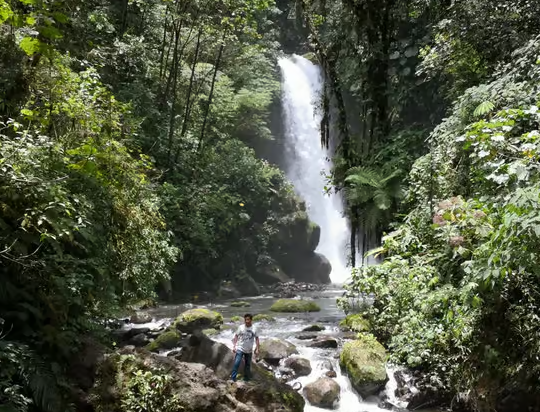
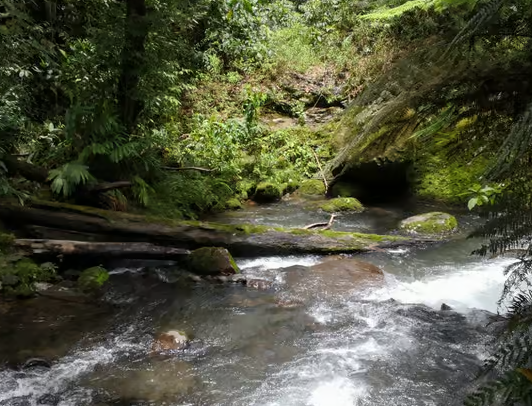
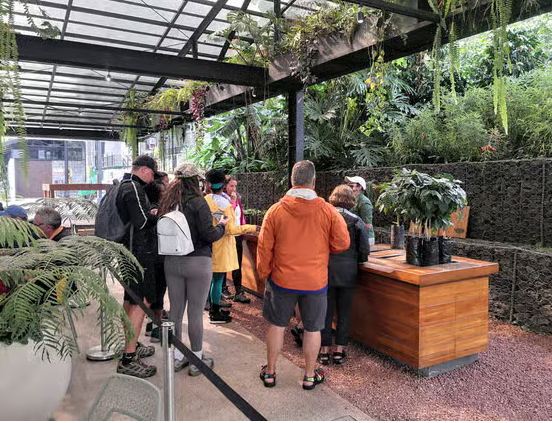


Imagine beginning your Costa Rican adventure in San José, leaving the city behind as the landscape gradually transforms into rolling green hills, coffee plantations, flower farms, strawberry fields, misty highlands, and lush tropical forest. Ahead lies one of Costa Rica’s most remarkable natural landmarks: the magnificent Poás Volcano. Later, the journey continues through rainforest scenery to the spectacular La Paz Waterfall, followed by an immersive visit to a Costa Rican coffee farm before returning comfortably to San José.
This full-day San José volcano, waterfall, and coffee farm tour is designed for travelers who want to experience several sides of Costa Rica in a single day. Rather than choosing between volcanic landscapes, rainforest scenery, waterfalls, and coffee culture, you can combine them into one carefully organized excursion from the capital.
The experience includes hotel pickup and drop-off in San José, transportation in an air-conditioned vehicle, a professional driver and guide, entrance to Poás Volcano National Park, lunch, and a coffee farm experience. The tour is conducted with a live guide in English or Spanish, making it an accessible way to discover the landscapes and stories behind some of the country’s most distinctive attractions.
From the dramatic volcanic crater of Poás to the peaceful sounds of falling water at La Paz and the aromas of freshly produced Costa Rican coffee, this is a day filled with contrasting landscapes and memorable experiences.
Whether you are visiting Costa Rica for the first time, staying in San José for only a few days, or looking for a convenient day trip that combines nature and culture, this experience offers a rich introduction to the country beyond the city.
Costa Rica is famous for its extraordinary biodiversity, dramatic volcanic landscapes, cloud forests, waterfalls, coffee plantations, and warm hospitality. Yet seeing these highlights independently can require careful planning, transportation arrangements, entrance tickets, restaurant stops, and navigation through mountainous terrain.
This guided day trip brings several of those experiences together.
Your adventure begins with convenient pickup from your accommodation in San José. From there, travel by air-conditioned van toward the highlands of Alajuela Province. As the city disappears behind you, the scenery changes dramatically. Roads wind through greener landscapes, with views of agricultural areas, coffee plantations, flower farms, and strawberry-growing regions along the way.
The first major destination is Poás Volcano, one of Costa Rica’s best-known volcanic attractions. After exploring the volcanic environment, the journey continues toward the spectacular La Paz Waterfall area. Here, rainforest and cloud-forest landscapes create a completely different atmosphere, with lush vegetation, cool mountain air, and cascading water.
After enjoying the natural scenery, you will have time for lunch before continuing to the coffee farm. The coffee experience adds an important cultural dimension to the day, allowing travelers to understand how coffee connects agriculture, local communities, sustainability, and Costa Rica’s international reputation.
At the end of the adventure, settle back into the comfortable vehicle for the return journey to San José.
The itinerary is designed as a full-day experience, with the exact starting time available when checking the selected date. The published itinerary includes approximately 1.5 hours of travel from San José to Poás Volcano, time at the volcano, additional travel to La Paz Waterfall, a visitor-center stop including lunch and coffee-farm activities, and the return journey to San José.
Few natural experiences introduce Costa Rica’s volcanic landscape quite like standing near the crater of Poás Volcano.
Located in the highlands north of San José, Poás is one of the country’s most recognizable volcanoes. Its powerful geological history has shaped the surrounding landscape and contributed to the fertile agricultural conditions found throughout the region.
During your visit, you can admire the impressive main crater and its distinctive volcanic environment. The area around the volcano provides an opportunity to appreciate the forces that have shaped Costa Rica over millions of years.
The volcanic landscape is especially striking because of its contrast with the surrounding greenery. Instead of a barren volcanic environment, the journey takes you into a region characterized by vegetation, agriculture, mountain scenery, and changing ecosystems.
At Poás Volcano National Park, the experience also includes a trail toward Botos Lagoon, a crater lake located within the park. Along the route, travelers can learn about the different ecosystems associated with the volcanic environment.
The combination of geology, highland vegetation, mountain air, and dramatic scenery makes Poás an especially rewarding destination for travelers interested in nature and photography.
Costa Rica’s volcanic geography is one of the defining features of the country. Volcanoes have influenced the landscape, soils, agriculture, ecosystems, and communities across large areas.
At Poás, that relationship becomes tangible.
Rather than simply looking at a mountain from a distance, you have the opportunity to explore a volcanic national park and observe the landscape surrounding its crater.
The experience also gives travelers a chance to understand that Costa Rica is much more than beaches and tropical coastlines. The country’s interior contains high-altitude forests, volcanic peaks, fertile agricultural valleys, and unique ecological zones.
For first-time visitors, Poás Volcano can therefore become one of the most memorable stops of a Costa Rica itinerary.
After your volcano experience, the landscape changes again.
The journey continues toward La Paz Waterfall, where lush forest and cascading water create one of the most visually captivating portions of the day.
Instead of simply stopping for a quick photograph, the experience allows you to walk along paved trails through cloud-forest and rainforest scenery. This gives you time to slow down, enjoy the surroundings, and appreciate the remarkable vegetation of Costa Rica’s mountainous interior.
The sound of rushing water becomes a natural soundtrack as you approach the waterfall.
La Paz is particularly photogenic because the waterfall can be appreciated from different viewpoints. The combination of dense green vegetation, flowing water, mist, and mountainous surroundings creates countless opportunities for memorable travel photographs.
The tour itinerary allocates approximately 30 minutes for the La Paz Waterfall stop, including a photo opportunity and free time.
The transition from volcanic terrain to rainforest is one of the most appealing aspects of this day trip.
At Poás, the focus is on geology, elevation, and volcanic landscapes.
At La Paz, the experience becomes about water, forest, vegetation, and the peaceful atmosphere of the rainforest.
Within a single day, you can therefore experience two very different natural environments.
This variety makes the excursion particularly appealing to travelers who do not want to spend an entire day focused on only one attraction.
Costa Rica’s rainforest is more than a backdrop for photographs. It is a living ecosystem filled with layers of vegetation, flowing water, wildlife habitats, and constantly changing sounds and textures.
As you walk through the forest around La Paz, take time to notice the smaller details.
Look at the different shades of green in the vegetation. Listen to the sound of water moving through the landscape. Notice how the temperature can feel different beneath the forest canopy. Watch for birds and other wildlife that may appear along the route.
Even when wildlife sightings are not guaranteed, the forest itself provides an immersive experience.
The paved walking paths also make it easier for visitors to enjoy the scenery without needing to undertake a strenuous wilderness trek.
However, travelers should still be prepared for walking and changing terrain. Comfortable shoes are specifically recommended for the activity.
Costa Rica and coffee have a long and deeply connected history.
For many travelers, visiting a coffee farm is not simply about tasting a cup of coffee. It is an opportunity to understand how an agricultural product travels from the landscape to the finished drink.
This tour includes a coffee farm experience as one of the final major stops of the day.
At the visitor center, travelers can learn about coffee production and the role of coffee in supporting farmers, encouraging sustainable practices, and developing future generations within the industry.
This makes the coffee stop particularly valuable for visitors who want to connect Costa Rica’s famous coffee culture with the people and agricultural practices behind it.
Think about the journey behind a simple cup of Costa Rican coffee.
Coffee plants grow in carefully managed agricultural environments. Farmers cultivate and care for the plants, harvest the coffee cherries, and participate in the processes that eventually produce the beans used around the world.
A coffee-farm visit helps transform that familiar morning beverage into something more meaningful.
Instead of simply drinking Costa Rican coffee at a café, you get an opportunity to explore part of the story behind it.
For coffee enthusiasts, this can become one of the most memorable elements of the tour.
For travelers who are less familiar with coffee production, it provides a fascinating introduction to an important part of Costa Rican agriculture and culture.
One of the biggest strengths of this Costa Rica day trip is the variety of experiences included in one itinerary.
You are not simply visiting one attraction and returning to San José.
You are traveling through several distinct landscapes and experiencing different aspects of Costa Rica.
The day combines:
The published experience includes transportation in an air-conditioned van, a guide and driver, the Poás Volcano National Park entrance fee, lunch, and the coffee farm tour. Tips are optional.
This combination makes the experience particularly suitable for travelers who want an efficient way to explore several highlights without organizing each component separately.
San José is Costa Rica’s capital and a practical base for exploring the country’s central highlands.
Although the city offers museums, restaurants, markets, cultural attractions, and urban experiences, some of Costa Rica’s most dramatic scenery lies beyond the capital.
That is why a day trip from San José can be such a valuable addition to your itinerary.
Rather than spending another full day within the city, you can travel into the surrounding highlands and discover a completely different side of the country.
The transition happens gradually.
At first, you are surrounded by the urban environment of San José.
Then the roads lead toward greener areas.
Agricultural landscapes begin appearing.
Coffee plantations, flower farms, and strawberry-growing areas become part of the scenery.
Eventually, the journey reaches the volcanic highlands around Poás.
This gradual change is part of the experience itself.
The journey between San José and Poás is not simply transportation between attractions.
It is an opportunity to observe the changing landscape of central Costa Rica.
The highlands are known for agricultural production, and the journey provides views of coffee-growing areas, flower farms, strawberry farms, and mountain scenery.
For travelers who enjoy photography, this portion of the trip can provide interesting images that are different from the classic volcano and waterfall photographs.
Look beyond the major attractions.
Capture the winding mountain roads.
Photograph distant green hills.
Notice the agricultural plots and rural communities.
Watch how clouds move across the highlands.
These small details help tell the story of Costa Rica as a living landscape rather than simply a collection of tourist attractions.
If your ideal vacation includes fresh mountain air, waterfalls, forests, volcanoes, and scenic landscapes, this experience offers a natural fit.
The itinerary is centered around outdoor sightseeing and nature-based experiences.
Poás introduces you to Costa Rica’s volcanic environment.
The rainforest and La Paz Waterfall reveal the country’s lush ecosystems.
The coffee farm adds agriculture and local culture to the experience.
Together, these elements create a balanced day for travelers who enjoy discovering destinations through their landscapes.
First-time visitors often face a difficult choice: there are so many places to see in Costa Rica that it can be difficult to decide where to begin.
This day trip offers a broad introduction.
You can experience a volcano, rainforest, waterfall, and coffee culture without committing to a multi-day road trip.
For travelers with limited time in San José, that combination can be especially useful.
It allows you to leave the city in the morning, explore several distinctive environments during the day, and return to your accommodation afterward.
Bring your camera or smartphone because this itinerary offers numerous opportunities for photography.
The volcanic crater creates dramatic landscape images, especially when atmospheric conditions provide clear views.
The contrast between the volcanic terrain and the surrounding green highlands can make for striking photographs.
Waterfalls are naturally photogenic, and La Paz provides several perspectives for capturing the movement of water against a lush forest backdrop.
Try photographing both wide landscape scenes and closer details.
Do not focus only on major attractions.
The rainforest contains countless smaller photographic subjects, including leaves, trees, flowers, streams, textures, and changing patterns of light.
The coffee portion of the tour introduces an entirely different visual environment.
Coffee-related landscapes, agricultural details, processing areas, and the surrounding highlands can add cultural depth to your travel photography collection.
A full day of sightseeing naturally creates an appetite.
This experience includes lunch, giving you an opportunity to take a break, refuel, and enjoy local food during the journey.
The itinerary places the lunch stop after the Poás Volcano visit and before continuing with the later attractions. The visitor-center portion of the itinerary includes lunch, free time, shopping, sightseeing, walking, and scenic views along the way.
Taking a proper meal break also creates a natural pause between the more active sightseeing portions of the day.
Instead of rushing continuously from one attraction to another, you have time to relax, eat, and prepare for the next part of your Costa Rican adventure.
Exploring Costa Rica’s mountainous interior involves road travel, and comfortable transportation can make a significant difference during a full-day excursion.
The tour includes transportation in an air-conditioned van, with pickup and drop-off from your accommodation in San José.
This means you can concentrate on the scenery and attractions rather than worrying about driving, navigation, parking, or coordinating multiple transfers.
The drive itself becomes part of the adventure.
Look out the window as urban landscapes give way to agricultural areas and mountain scenery.
The changing views help make the journey feel like an extension of the destination rather than simply a transfer between stops.
Traveling with a guide can add context to places that might otherwise be easy to overlook.
A volcanic crater is impressive on its own, but learning about the surrounding ecosystem can make the visit more meaningful.
A rainforest waterfall is beautiful, but understanding the environment around it can help you appreciate why the landscape looks the way it does.
A coffee farm is interesting, but learning about sustainability, farmers, and coffee production can turn the visit into a deeper cultural experience.
The tour includes a live guide, with English and Spanish listed as available languages.
The result is a sightseeing experience that combines observation with interpretation.
Many visitors associate Costa Rica primarily with beaches, wildlife, and tropical adventures.
Those experiences are certainly part of the country’s appeal, but the central highlands reveal another side of Costa Rica.
Here, the landscape is shaped by volcanoes, fertile agricultural land, mountain forests, coffee production, waterfalls, and changing elevations.
This day trip gives you the opportunity to experience that side of the country from San José.
It is a journey through environments rather than simply a checklist of attractions.
You begin in the capital.
You travel into the volcanic highlands.
You encounter a powerful geological landscape.
You continue through rainforest.
You stop beside a waterfall.
You enjoy lunch.
You discover coffee culture.
Then you return to the city.
By the end of the day, you have experienced a remarkably broad snapshot of Costa Rica.
One of the most appealing aspects of this excursion is its balance.
If the itinerary focused exclusively on sightseeing, the day could feel repetitive.
Instead, the experience moves between natural and cultural environments.
Poás Volcano and La Paz Waterfall provide the major natural highlights.
Coffee plantations and the coffee-farm visit introduce Costa Rica’s agricultural heritage.
Lunch adds a local culinary component.
Guided explanations and the coffee experience provide opportunities to learn about ecosystems, agriculture, sustainability, and local production.
The journey between destinations reveals the landscapes surrounding San José and Alajuela Province.
This variety keeps the day dynamic and gives travelers multiple ways to connect with Costa Rica.
The real appeal of the experience is not one individual attraction.
It is the combination.
Imagine standing near a volcanic crater in the morning, surrounded by highland scenery.
Later, you are walking through lush rainforest toward a waterfall.
After that, you are sitting down for lunch.
Then you are learning about Costa Rican coffee and the agricultural traditions behind one of the country’s most famous exports.
Finally, you relax during the journey back to San José.
That is a remarkably diverse day.
It allows you to experience geology, nature, agriculture, food, photography, and local culture within a single organized excursion.
Independent travel can be rewarding, but it also requires planning.
You need to determine how to reach Poás.
You need to organize transportation.
You need to account for entrance fees.
You need to find a suitable place for lunch.
You need to plan your route to La Paz.
You need to coordinate the coffee experience.
And you need to get back to San José.
This guided excursion brings those logistics together.
With hotel pickup and drop-off, transportation, a guide, entrance to Poás Volcano National Park, lunch, and a coffee farm tour included, much of the organizational work is handled for you.
That allows you to spend more time experiencing Costa Rica and less time managing the details.
Travelers searching for a Costa Rica day trip from San José often want more than a simple city excursion.
They want to see the natural beauty that makes Costa Rica famous.
This experience delivers exactly that type of escape.
It takes you from San José into the highlands and combines several of the region’s most distinctive experiences.
For visitors with only a short stay in the capital, it can be an efficient way to experience more of the country.
For travelers on a longer Costa Rica itinerary, it can serve as an excellent introduction to the central highlands before continuing toward other regions.
One of the most memorable elements of the day is the constant change in scenery.
The morning begins in the urban environment of San José.
Soon, the city gives way to greener surroundings.
Then come agricultural areas, including coffee and other crops.
The landscape becomes increasingly mountainous.
Poás introduces a volcanic environment.
The route later moves into rainforest and cloud-forest scenery.
La Paz adds dramatic waterfalls.
The coffee farm returns the focus to agriculture and human connection with the land.
This sequence makes the journey feel like a story.
Each destination introduces something different, while the transitions between them connect the experiences into one larger adventure.
A great travel experience is not always about seeing as many attractions as possible.
Sometimes the most memorable moments happen between the major stops.
Take a moment to breathe the cool mountain air near Poás.
Listen to the forest around La Paz.
Watch the movement of water at the waterfall.
Observe the changing vegetation along the road.
Take in the views across Costa Rica’s agricultural highlands.
Learn how coffee production connects farmers, land, sustainability, and global consumers.
These small moments turn a day trip into a genuine travel experience.
This tour is especially appealing to travelers who like to return from a vacation with stories to tell.
You can tell friends about standing beside a volcano.
You can show photographs of a waterfall surrounded by rainforest.
You can talk about walking through Costa Rica’s highlands.
You can explain what you learned about coffee production.
And you can remember the changing scenery along the road from San José.
The experience creates multiple memories rather than relying on a single attraction.
A successful day in Costa Rica begins with preparation.
The activity recommends bringing comfortable shoes and a jacket, which are useful for walking and for the changing conditions of the highland environment.
Because the experience includes walking and is specifically listed as unsuitable for people with mobility impairments and wheelchair users, travelers should consider their personal mobility needs before booking. Unaccompanied minors are also not permitted according to the activity information.
Weather can change in Costa Rica’s mountainous areas, so flexible clothing and protection from changing conditions are sensible additions to your day-trip packing list.
A camera or smartphone is also highly recommended for travelers who want to capture the volcano, waterfall, forest, agricultural landscapes, and coffee experience.
There is something special about leaving a capital city in the morning and finding yourself surrounded by forests, mountains, waterfalls, and volcanic landscapes only hours later.
That is the experience this day trip is designed to deliver.
San José becomes the starting point rather than the limit of your Costa Rican adventure.
From there, the road leads toward Poás Volcano.
The volcano introduces the geological power of the country.
The forest introduces its ecological richness.
La Paz Waterfall reveals its beauty.
Lunch gives you a chance to slow down.
The coffee farm introduces its agricultural culture.
And the return to San José gives you time to reflect on everything you have seen.
It is a complete day of discovery.
Years after a trip, travelers often remember individual moments more vividly than hotel rooms or transportation details.
The first view of a volcanic crater.
The sound of a waterfall in the rainforest.
The cool air of the highlands.
The scent of coffee.
The taste of a local lunch.
The sight of green mountains passing outside the van window.
The feeling of discovering somewhere new.
These are the moments that give travel its meaning.
This San José day trip brings several of those experiences together in a single itinerary, making it an excellent option for travelers who want a memorable introduction to Costa Rica’s central highlands.
If you are looking for a Poás Volcano and La Paz Waterfall tour from San José, this experience combines two of Costa Rica’s most distinctive natural environments with a coffee-farm visit and local lunch.
If you are searching for a Costa Rica volcano tour, you can explore the remarkable landscape around Poás.
If you want a La Paz Waterfall day trip, you can walk through lush forest and enjoy scenic views of the cascading water.
If you are interested in Costa Rican coffee tours, the itinerary also provides time to learn about coffee production, farmers, and sustainability.
And if you simply want to escape San José for a day and experience the landscapes beyond the city, the tour brings all of these elements together in one convenient adventure.
This full-day adventure from San José combines several memorable Costa Rican experiences:
Visit one of Costa Rica’s most famous volcanic destinations, admire its main crater, and explore the surrounding national park environment.
Follow a trail toward the crater lake and learn about the ecosystems within Poás Volcano National Park.
Walk along paved trails through lush forest and enjoy scenic views of the waterfall from different perspectives.
Take a break during the journey and enjoy lunch at a local restaurant.
Discover Costa Rica’s coffee culture and learn about the relationship between coffee production, farmers, sustainability, and the future of the industry.
Travel through agricultural and mountainous landscapes surrounding San José and Alajuela Province.
Travel in an air-conditioned van with hotel pickup and drop-off included.
Enjoy the experience with a driver and live guide in English or Spanish.
Costa Rica rewards curiosity.
The more you look, the more you discover.
A volcano becomes a lesson in geology.
A forest becomes an ecosystem filled with life.
A waterfall becomes part of a larger mountain landscape.
A coffee plantation becomes a story about farmers, agriculture, sustainability, and tradition.
And a simple road journey becomes an opportunity to see how dramatically the landscape changes within a relatively short distance.
This tour brings all of those perspectives together.
It is not simply about checking Poás Volcano or La Paz Waterfall off a list.
It is about experiencing the landscapes that make Costa Rica unique and understanding how nature, agriculture, food, and local communities are connected.
For travelers who want to see more of Costa Rica while using San José as their base, this full-day experience offers an engaging way to begin.
Pack comfortable shoes, bring a jacket, charge your camera, and prepare for a day of volcanoes, waterfalls, rainforest, coffee, mountain scenery, and unforgettable Costa Rican moments.
Your journey beyond San José begins here.
Your day begins with convenient pickup from your accommodation in San José. Once everyone is ready, you will leave the capital and begin traveling toward the green highlands north of the city.
The drive is an important part of the experience. As the urban landscape gradually disappears, Costa Rica's countryside begins to reveal itself. The road passes through agricultural areas and mountainous scenery, giving you an early glimpse of the landscapes that make the Central Valley so distinctive.
The journey to the Poás area takes approximately 1.5 hours, depending on traffic and road conditions.
Rather than having to navigate unfamiliar roads yourself, you can relax in the air-conditioned vehicle, enjoy the scenery, and listen to your guide's explanations along the way.
The Central Valley is one of Costa Rica's most important regions, combining cities and communities with fertile agricultural land and spectacular mountain scenery.
As you travel toward Poás, you may see coffee plantations, flower farms, strawberry-growing areas, rural properties, and changing views of the surrounding mountains.
This part of the journey provides useful context for everything that follows.
Costa Rica's natural beauty is closely connected with its agricultural traditions. The volcanic soils and highland climate have helped create productive conditions for crops, particularly coffee.
Keep your camera nearby during the drive because the countryside can provide beautiful spontaneous photographs.
The first major attraction of the day is Poás Volcano National Park.
Poás is one of Costa Rica's best-known volcanoes and one of the country's most recognizable natural landmarks.
Once inside the national park, your guide will help you understand the volcanic landscape and the environment surrounding it.
The experience focuses on the main crater and the surrounding national park trails.
The volcanic landscape provides a dramatic contrast to the lush greenery of the Costa Rican highlands. Depending on weather and visibility conditions, the crater area can offer impressive views and excellent photographic opportunities.
The itinerary also includes a trail toward Botos Lagoon.
This crater lake offers another perspective on the volcanic environment and allows visitors to experience the vegetation and highland ecosystem surrounding Poás.
The walk gives you an opportunity to slow down and appreciate the natural environment rather than simply stopping at a viewpoint.
Look closely at the vegetation along the trail. The high-elevation environment supports plant life adapted to cooler and often misty conditions.
Your guide can also provide information about the area's natural history and ecosystem.
Volcanic areas are naturally affected by weather, visibility, and park regulations. Conditions can change, and access to specific areas may occasionally be adjusted for safety.
For that reason, the precise experience at the volcano can vary according to conditions on the day of your visit.
The attraction itself remains an important highlight of the excursion, but travelers should approach the volcano visit with reasonable flexibility.
After exploring Poás Volcano, the journey continues through the Costa Rican highlands toward La Paz.
The scenery gradually changes again.
The volcanic environment gives way to denser forest, creating a noticeably different atmosphere.
As you approach the waterfall area, the sound and movement of water become central to the experience.
La Paz is surrounded by lush vegetation, making it an ideal setting for travelers who enjoy rainforest landscapes and nature photography.
At La Paz, you will have time for sightseeing, photographs, and free exploration.
The waterfall is one of the visual highlights of the excursion.
Take time to observe the surrounding forest rather than focusing exclusively on the waterfall itself.
The dense vegetation, mountain atmosphere, flowing water, and changing light combine to create a memorable natural setting.
This is a particularly enjoyable part of the day for photographers because the environment offers both wide scenic views and smaller details.
After a morning of exploring, it is time to pause for lunch.
The tour includes lunch, allowing you to refuel before continuing with the cultural and agricultural part of the experience.
A meal break also provides a natural opportunity to relax after the walking portions of the itinerary.
Instead of treating food as an afterthought, the lunch stop forms part of the overall travel experience.
It gives you time to talk with fellow travelers, discuss the morning's highlights, and prepare for the afternoon.
One of the most culturally interesting portions of the excursion is the coffee-farm experience.
Costa Rica is internationally associated with high-quality coffee, but understanding that reputation begins with the people and landscapes behind the beans.
During the coffee experience, you can learn more about how coffee is produced and why the crop is so important to Costa Rican communities.
The experience also introduces the connection between coffee farming and sustainability.
Coffee does not begin as a roasted bean.
It begins as a plant growing in the highlands.
The journey from cultivation to harvesting, processing, roasting, and brewing involves numerous steps and the work of many people.
The farm experience helps travelers understand that journey.
You can see how the agricultural environment contributes to the character of Costa Rican coffee and gain a greater appreciation for the work involved in producing it.
Sustainability is increasingly important within modern coffee production.
The coffee experience included on this excursion provides information about efforts to support farmers, encourage sustainable practices, and create opportunities for future generations.
For travelers interested in responsible tourism, this adds an educational dimension to the day.
Rather than simply tasting coffee, you are learning about an agricultural tradition and the people connected to it.
Costa Rican cuisine and agriculture are closely connected.
The country's fertile landscapes support a wide variety of crops, while local food traditions reflect the agricultural resources available throughout the country.
Coffee is one of the most famous examples.
By visiting coffee-growing areas, travelers can understand why the landscape around San José looks the way it does.
The highlands are not simply scenic.
They are working agricultural environments.
Farmers cultivate crops, communities depend on agriculture, and local businesses contribute to the production and tourism ecosystem.
The coffee stop therefore adds human context to the natural attractions visited earlier in the day.
A guided excursion can be particularly convenient when visiting Costa Rica for a limited amount of time.
Instead of arranging several separate activities, you can combine them into one organized experience.
The tour provides:
This makes the experience especially convenient for travelers who would rather spend their vacation exploring than coordinating logistics.
Driving in an unfamiliar country can require concentration, particularly when traveling through mountainous areas.
You may need to deal with navigation, parking, road conditions, traffic, and timing.
With an organized day tour, those responsibilities are handled as part of the excursion.
You can look through the windows, take photographs when appropriate, listen to your guide, or simply relax between attractions.
For visitors staying in San José, this can make a significant difference to the overall experience.
Some day trips focus heavily on a single attraction.
This experience is different because it brings several complementary experiences together.
You begin with urban San José.
Then you move into the agricultural highlands.
Next comes the volcanic landscape of Poás.
The route continues toward rainforest and waterfalls.
Lunch provides a break.
Finally, the coffee-farm experience introduces local agriculture and culture.
The result is a day with multiple chapters.
Every stop offers something different.
That variety can make the experience particularly appealing to travelers who enjoy exploring several sides of a destination rather than spending an entire day at one location.
If this is your first trip to Costa Rica, the tour provides an accessible introduction to several major themes of the country.
You will experience:
Instead of seeing only one aspect of Costa Rica, you receive a broad introduction to its central highlands.
The combination of mountain scenery, waterfalls, forest trails, and coffee makes this an appealing option for couples who want to experience Costa Rica together.
There are numerous opportunities for photographs and quiet moments surrounded by nature.
The waterfall area can be particularly memorable for couples, while the coffee experience provides a relaxed cultural component.
Solo travelers can benefit from the convenience of organized transportation and guided sightseeing.
You do not need to arrange a rental car or build your own route.
The group environment can also provide opportunities to meet other visitors while exploring the destinations.
Families traveling with children who are comfortable walking can enjoy the variety of the itinerary.
The volcano provides a geological experience.
The waterfall offers dramatic scenery.
The coffee farm introduces agriculture and local culture.
However, parents should consider the walking requirements and the activity's restrictions regarding young or unaccompanied children before booking.
Travelers who enjoy natural landscapes will find plenty to photograph.
The tour combines volcanic terrain, mountain scenery, forests, waterfalls, agricultural landscapes, and coffee-growing areas.
Bring extra phone storage or a camera memory card if you tend to take many photographs.
Comfortable footwear is one of the most important things to bring.
Although this is not presented as an extreme hiking excursion, the itinerary includes walking around the volcano and waterfall areas.
Choose shoes that are comfortable for several hours of sightseeing.
Closed-toe shoes with good traction are particularly practical.
The highlands around Poás can be considerably cooler than San José's warmer urban environment.
Cloud cover and changing mountain weather can also affect how temperatures feel.
A light jacket is therefore a sensible addition to your day bag.
Layered clothing gives you greater flexibility.
You may begin the day in one set of conditions in San José and encounter cooler or wetter weather at higher elevations.
Being able to add or remove a layer makes the day more comfortable.
Costa Rica is known for rapidly changing weather, especially in mountainous and forested regions.
A compact rain jacket or poncho can be useful.
Even if the morning begins with sunshine, conditions may change later.
Cloudy weather does not necessarily mean that UV exposure disappears.
Consider bringing:
These simple items can make a full day outdoors more comfortable.
A small backpack is ideal for carrying your personal essentials.
Keep your bag light and bring only what you expect to use.
Useful items include:
When conditions allow, use the crater as the main subject while including some surrounding landscape to provide scale.
Avoid rushing through the viewpoint.
Spend a few moments observing how light and clouds interact with the volcanic environment.
Try different perspectives.
A wide-angle photograph can capture the relationship between the waterfall and forest, while a closer composition can emphasize the movement of the water.
Look for details.
Coffee plants, agricultural landscapes, production areas, and the surrounding countryside can provide photographs that tell the story of Costa Rican coffee.
A guided tour becomes more rewarding when you actively participate.
Ask questions.
If you are curious about volcanoes, ask about Poás.
If you want to understand the rainforest, ask about local plants and ecosystems.
If you love coffee, ask how Costa Rican coffee is cultivated and processed.
If you are interested in local life, ask your guide about communities along the route.
The more curious you are, the more personalized the educational side of the experience can become.
Costa Rica places significant importance on protecting its natural environments.
Travelers can help preserve these places by following simple principles:
Responsible behavior helps protect these landscapes for future visitors.
This is a full-day excursion, so expect a combination of driving, sightseeing, walking, learning, eating, and relaxing.
It is not designed as a rushed attraction-hopping experience.
The journey itself is part of the adventure.
You will spend significant time traveling through Costa Rica's highlands, with opportunities to observe the countryside between major stops.
Because several destinations are included, the day has a varied rhythm.
You may spend one moment standing in a volcanic environment and later find yourself surrounded by rainforest.
That contrast is one of the defining characteristics of the experience.
A full-day guided tour naturally follows a schedule.
The group needs to travel between attractions, enter designated areas, complete the planned activities, have lunch, and return to San José.
For this reason, travelers should be prepared to follow the itinerary and meeting instructions provided by the guide.
There is free time at selected stops, but the experience is not an entirely independent excursion.
If you enjoy having a structured day while still receiving opportunities to explore and photograph the surroundings, this format can work particularly well.
Many visitors do not have several weeks to explore the entire country.
You may have only a few days in San José before continuing to another destination.
In that situation, a well-organized day trip can help you experience more without adding complicated transportation arrangements.
Instead of spending one day exclusively in the capital, you can use the day to explore Costa Rica's volcanic highlands.
The tour's combination of Poás Volcano, La Paz Waterfall, and coffee culture makes it particularly useful for travelers who want variety.
Hotel pickup and drop-off simplify the beginning and end of the excursion.
You do not need to arrange a separate taxi to a distant meeting point if your accommodation is within the designated pickup area.
The exact pickup process and timing can depend on your accommodation and booking details, so travelers should review the confirmation information carefully.
On the day itself, be ready at the specified pickup location at the requested time.
A smooth start helps ensure that the entire group can enjoy the planned itinerary.
Think of the itinerary as four connected stories.
Poás tells the story of geological forces and the volcanic landscape.
La Paz reveals the richness of Costa Rica's highland forests and waterways.
Lunch provides a moment to experience local flavors and recharge.
The farm visit introduces agriculture, sustainability, farmers, and one of Costa Rica's most famous products.
Together, these stories create a much deeper travel experience than a simple sightseeing route.
The region around Poás is known for agricultural activity.
The fertile highland environment supports coffee and other crops, while the mountainous terrain creates striking scenery.
During the drive, look for signs of rural life.
Fields, farms, greenhouses, roadside produce, and coffee-growing areas reveal how closely communities are connected to the land.
For visitors from countries where coffee is primarily encountered as a finished product in a shop or café, seeing coffee-growing landscapes can be particularly interesting.
Travel experiences become more meaningful when visitors can connect with everyday life.
Coffee provides exactly that opportunity.
It is not simply something served to tourists.
It is part of Costa Rica's agricultural identity and economic history.
A coffee-farm visit allows travelers to move beyond the postcard image and learn about the practical side of production.
You can discover how coffee grows, why highland conditions matter, and how sustainability is increasingly incorporated into the industry.
The experience can also make your next cup of Costa Rican coffee taste a little different because you understand more about where it comes from.
The coffee experience also introduces an important aspect of modern travel: sustainability.
Responsible tourism is about recognizing that beautiful destinations are living environments.
Volcanoes, forests, waterfalls, and farms are not simply attractions.
They are ecosystems and working landscapes that need to be respected.
Supporting guided experiences, following environmental rules, respecting local communities, and learning about sustainable agricultural practices can help travelers engage with destinations more responsibly.
This tour provides several opportunities to do exactly that.
Choosing an organized day trip provides several practical advantages.
Instead of booking separate transportation, attractions, and activities, you can organize the major components through one tour.
Hotel pickup and drop-off reduce the need to arrange independent transportation.
The Poás Volcano National Park entrance is included according to the activity information.
You do not have to stop your sightseeing to independently search for a restaurant.
A professional driver and guide provide assistance and information throughout the journey.
The itinerary includes a dedicated coffee-farm component rather than merely driving past plantations.
A good day tour should make the logistics clear before the traveler begins.
When booking, review:
The activity information lists English and Spanish as guide languages and identifies the experience as unsuitable for wheelchair users and people with mobility impairments. Travelers should review the latest booking information for the specific date and option they select. (getyourguide.com)
The best way to enjoy this experience is to arrive prepared but flexible.
Costa Rica's mountain weather can change.
Road travel can take longer depending on traffic.
Volcanic visibility can vary.
Wildlife sightings cannot be guaranteed.
The exact sequence or timing of activities may occasionally change because of operational or environmental conditions.
These are normal realities of nature-based travel.
The reward is that you are visiting real landscapes rather than a controlled indoor attraction.
After completing the coffee experience, it is time to begin the journey back toward San José.
By this stage, you will have spent the day moving through dramatically different landscapes.
The return drive offers a chance to rest.
You may find yourself reviewing your photographs, talking with fellow travelers, or simply watching the countryside pass outside the window.
As the landscape becomes increasingly urban, you will know that your day in Costa Rica's highlands is coming to an end.
The tour concludes with drop-off back in San José.
A successful day trip should give you more than a camera roll.
It should give you context.
After visiting Poás, you understand a little more about Costa Rica's volcanic landscape.
After exploring La Paz, you have experienced the beauty of the country's forested highlands.
After visiting the coffee farm, you understand more about one of Costa Rica's most recognizable agricultural products.
And after traveling through the Central Valley, you have seen how nature, farming, communities, and tourism exist side by side.
That is what makes this experience memorable.
Travel memories are often built from contrasts.
A cool mountain morning after leaving the city.
A dramatic volcano followed by a peaceful forest.
The sound of rushing water after a long drive.
A warm meal after walking outdoors.
The aroma of freshly produced coffee.
The changing landscape on the journey home.
This tour is filled with those contrasts.
Each experience complements the one before it.
The volcano gives you drama.
The waterfall gives you beauty.
The coffee farm gives you culture.
The countryside gives you context.
Together they create a complete Costa Rican day.
If your time in San José is limited but your curiosity about Costa Rica is not, this full-day experience offers a way to explore beyond the city without complicated planning.
Travel toward Poás Volcano.
Walk through its remarkable volcanic environment.
Continue through the highlands to La Paz Waterfall.
Enjoy the forest and cascading water.
Take a break for lunch.
Then discover Costa Rica's coffee traditions at a local coffee farm.
Throughout the day, enjoy the convenience of organized transportation and professional guidance.
By the time you return to San José, you will have experienced a remarkable range of landscapes and cultural experiences in a single day.
Make your Costa Rican vacation more than a stay in the capital.
Step beyond San José and discover the landscapes that surround it.
Feel the atmosphere of the volcanic highlands.
Experience the beauty of a rainforest waterfall.
Learn about the coffee that helped shape Costa Rica's agricultural identity.
Enjoy a local meal.
Take photographs.
Ask questions.
Explore.
And give yourself a full day to experience some of the country's most memorable natural and cultural highlights.
This is a full-day excursion from San José. The itinerary combines transportation through Costa Rica's Central Valley with visits to Poás Volcano National Park, the La Paz Waterfall area, a lunch stop, and a Costa Rican coffee farm. The journey between attractions forms an important part of the experience, allowing you to see the changing landscapes of the country's central highlands.
The experience includes pickup from your accommodation in San José. Your exact pickup time and location depend on your booking details and the accommodation being used. Travelers should check their confirmation information carefully and be ready at the specified pickup point.
Yes. The activity information lists hotel pickup and drop-off in San José as part of the experience. Transportation is provided in an air-conditioned vehicle, allowing you to travel comfortably between the different attractions.
Yes. Transportation is included throughout the excursion. You travel between San José, Poás Volcano, La Paz Waterfall, the coffee-farm experience, and back to San José in an air-conditioned van.
This is particularly convenient because you do not need to arrange separate transportation or navigate unfamiliar mountain roads yourself.
Yes. The Poás Volcano National Park entrance fee is included in the tour according to the activity information.
The visit includes time to explore the volcanic environment and follow the designated trail toward Botos Lagoon, subject to park conditions and access restrictions on the day.
Yes. Lunch is included in the experience.
The meal provides a convenient opportunity to take a break during the full-day excursion before continuing with the coffee-farm and other planned activities.
Yes. A coffee-farm experience is included.
The coffee portion of the tour introduces travelers to Costa Rica's coffee-growing tradition and provides information about coffee production, farmers, and sustainable practices.
This is an especially interesting addition for travelers who want to experience Costa Rican culture as well as its natural attractions.
Poás Volcano National Park offers a dramatic volcanic landscape centered around the volcano's crater. The itinerary also includes a trail toward Botos Lagoon.
The exact visibility of the crater depends on weather and atmospheric conditions. Mountain weather can change quickly, so a clear view cannot be guaranteed on every visit.
The tour takes you to Poás Volcano National Park for a crater-viewing experience, but visibility is naturally dependent on weather conditions.
Clouds, mist, rain, and other atmospheric conditions can temporarily obscure the crater. This is a normal consideration when visiting a high-altitude volcanic destination.
Even when visibility changes, the surrounding volcanic park and highland environment remain part of the experience.
Botos Lagoon is a crater lake located within Poás Volcano National Park.
The itinerary includes a trail toward the lagoon, giving visitors an opportunity to experience another part of the volcanic landscape and surrounding highland ecosystem.
The walk also provides a different perspective from the main crater area.
La Paz Waterfall provides a scenic rainforest experience featuring cascading water surrounded by lush vegetation.
The tour includes time for sightseeing, photography, and free exploration in the waterfall area.
It is one of the most visually appealing portions of the excursion and offers an excellent opportunity to experience Costa Rica's forested highlands.
The itinerary includes walking at Poás Volcano and around the La Paz Waterfall area, so travelers should be comfortable with walking.
This is not an extreme hiking expedition, but it is an active sightseeing day rather than a purely vehicle-based tour.
Comfortable walking shoes are recommended.
Suitability depends on each traveler's mobility and fitness level.
The tour includes walking and is listed as unsuitable for people with mobility impairments. Seniors who are comfortable walking and spending a full day sightseeing may be able to participate, but anyone with significant mobility limitations should carefully consider the physical requirements before booking.
If necessary, travelers should check the current activity conditions before making a reservation.
The activity information indicates that the experience is not suitable for wheelchair users.
The itinerary involves walking in volcanic and natural environments, including the waterfall area. Travelers requiring wheelchair accessibility should verify accessibility details before booking.
Children may be able to participate depending on the applicable age requirements and booking option, but the activity information states that unaccompanied minors are not permitted.
Families should review the age requirements shown during booking and ensure that children can comfortably manage the walking and duration of the excursion.
Comfortable outdoor clothing and walking shoes are recommended.
Because Poás is located in a highland environment, temperatures can feel cooler than in San José. A jacket is recommended, and dressing in layers can be particularly useful.
Rain protection is also a sensible choice because weather in Costa Rica's mountain and rainforest regions can change quickly.
A small day bag with essential personal items is ideal.
Consider bringing:
Avoid bringing unnecessary heavy luggage because you will be moving between several locations during the day.
Rain is a normal part of Costa Rica's climate, particularly in mountainous and rainforest areas.
The itinerary may continue in wet weather when conditions are safe, although visibility at Poás Volcano and the appearance of the waterfall can change significantly depending on rainfall and cloud cover.
Travelers should bring suitable rain protection and remain flexible regarding weather-related changes.
Safety and local operating conditions take priority.
Restroom availability can vary between individual stops, but facilities are generally available at established visitor centers and developed tourist areas.
Because this is a full-day excursion with multiple stops, it is sensible to use restroom facilities whenever you have the opportunity, particularly before longer drives.
Yes. The activity information lists English and Spanish among the available guide languages.
This allows English-speaking and Spanish-speaking travelers to receive guidance and information during the experience.
When booking, select the available language option that suits you and review the confirmation details.
After completing your reservation, our team will contact you one day before your tour to confirm your exact hotel / Airbnb pickup time or meeting point.
If you selected a meeting point during your booking, please note that your reservation is fully confirmed — simply arrive at the chosen location at the scheduled time.
Please ensure the WhatsApp number, phone number, or email you entered during booking is correct so we can reach you smoothly.
For any changes to your reservation, weather questions, or special requests, feel free to contact us:
We look forward to welcoming you! 🌴✨